Why Letting Go Is So Hard: The Psychology Behind Our Stuff

If you’ve ever tried to declutter a drawer, a closet, or an entire room, you may have noticed something strange. The moment you pick something up, it suddenly feels more valuable.
A sweater you haven’t worn in three years suddenly feels like it might be useful again. A kitchen gadget that’s been hiding in the back of the cabinet suddenly seems like something you should probably keep.
You might even find yourself thinking:
“I spent good money on this.”
“It’s still perfectly good.”
“I might need it someday.”
If that sounds familiar, you’re not imagining it. There’s actually a well-known psychological explanation for this.
The Endowment Effect
Behavioral economists call it the Endowment Effect. It describes our tendency to place a higher value on things simply because we own them. In a famous study by economists Daniel Kahneman, Jack Knetsch, and Richard Thaler, participants were randomly given coffee mugs and later asked how much money they would sell them for. People who owned the mugs demanded about twice as much money to sell them as other participants were willing to pay to buy them. Nothing about the mugs had changed. The only difference was ownership.
Once something belonged to someone, its perceived value increased. That same psychological pattern shows up everywhere in our homes.
Why Touching Things Makes Decluttering Harder
Research has also shown that simply touching an object increases our sense of ownership. In a study by researchers Joann Peck and Suzanne Shu, participants who physically handled products reported a stronger feeling that the item belonged to them. Retailers understand this instinct well. That’s why stores encourage you to try on clothes, test products, or pick things up and examine them. The longer you interact with an item, the more likely you are to want it.
But the same principle can work against us when we’re decluttering.
The moment you start holding your possessions, examining them, and remembering where they came from, your brain starts assigning them more value. No wonder the “keep” pile grows so quickly.
Why Decluttering Methods Sometimes Backfire
Some decluttering approaches encourage people to pull everything out at once and evaluate each item individually. For some people, that works beautifully. But for many households — especially busy families — it can quickly become overwhelming.
When every single item is picked up, handled, and evaluated, the Endowment Effect goes into overdrive. Suddenly everything feels important, sentimental, or potentially useful. Instead of making quick decisions, you can end up with decision fatigue. The process slows down, and progress stalls.
When We Feel the Weight of Our Possessions
Interestingly, there are certain moments in life when the Endowment Effect becomes easier to overcome. Moving is one of them.
When people prepare for a move or a renovation, they often discover just how much they own. Every drawer, cabinet, and shelf has to be emptied. Suddenly the sheer volume of possessions becomes very real. That moment often brings a surprising realization: Many of the things we’ve been storing for years aren’t things we would actually choose to move or replace.
Sometimes it takes that physical experience — packing boxes, carrying furniture, emptying rooms — to reveal the true weight of our belongings.
Why Our Homes Fill Up So Easily
The Endowment Effect also helps explain why clutter builds up over time. Once something enters our home, it becomes part of our environment. Because we own it, we tend to assign it more value than we would if we saw the same item in a store today.
That’s why we often keep things with the reasoning:
- we spent good money on them
- they were gifts
- they might be useful someday
- they’re still perfectly good
None of those are necessarily wrong. But when those items start crowding out the things we truly love or use, our homes stop working as well as they could.
Creating Space for the Things That Matter
Decluttering isn’t about getting rid of everything. It’s about making room for the things that actually support your life. When we understand the psychology behind our attachment to possessions, it becomes easier to step back and evaluate them more objectively. Instead of asking whether something technically still works or might someday be useful, we can ask a simpler question: Does this still earn its space in my home?
When the answer is yes, it stays. When the answer is no, letting go becomes a little easier. And the things that remain finally have the space they deserve.
When Storage Systems Make the Difference
Of course, decluttering is only part of the equation. Once you’ve identified the items that truly belong in your home, good storage systems make it much easier to keep them organized and accessible.
Custom storage solutions — from closets and mudrooms to home offices and garages — can help ensure that everything has a place and daily routines feel smoother. Learn more about custom storage design here: https://susquehannadesign.com
If you’re feeling overwhelmed by clutter and want help getting started, Susquehanna Organizing also offers hands-on organizing services.
Related Articles

If decluttering feels harder than it should, several psychological patterns may be at work. You might also enjoy exploring Clutter Blindness, Decision Fatigue, The Sunk Cost Fallacy, and The Weight of Owning Too Much.
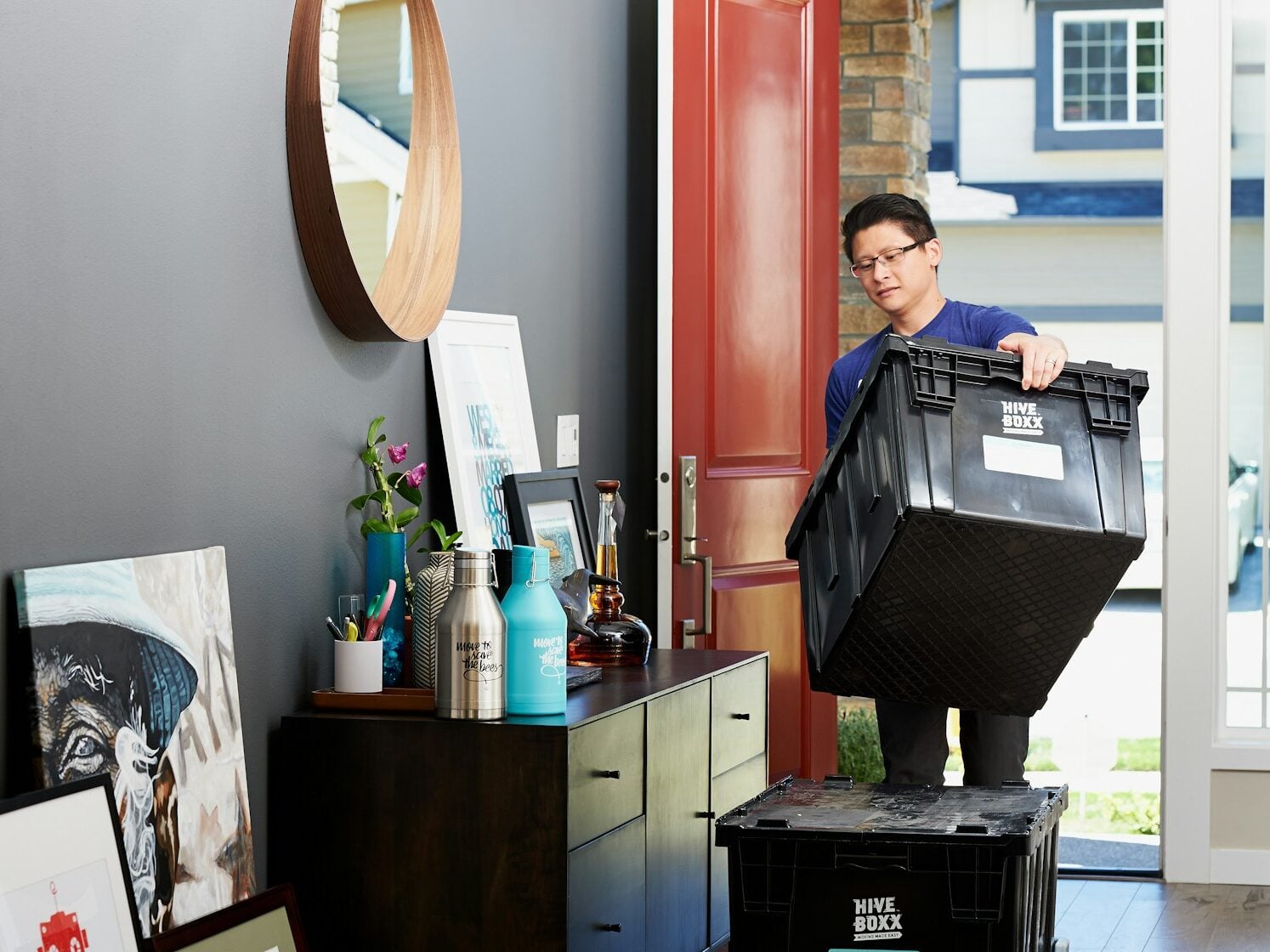


Why We Stop Seeing the Mess
FAQ
What is the Endowment Effect?
The Endowment Effect is a psychological tendency where people assign greater value to things simply because they own them.
Why is decluttering so difficult?
Decluttering can be difficult because ownership increases emotional attachment. The more we handle and think about an item, the more valuable it can feel.
Why do people keep things they don’t use?
Common reasons include guilt about money spent, sentimental attachment, and the belief that an item might be useful someday.