Clutter Blindness: Why We Stop Seeing the Mess
Have you ever noticed how clutter can slowly disappear from view? Not because it’s gone… but because you’ve stopped seeing it. A stack of mail sits on the counter for weeks. A few items land on the dining room table. Papers collect on a desk. A jacket gets tossed over a chair. At first, you notice it. Then after walking past it every day, your brain begins to filter it out… Until suddenly you see it again.
Usually right before company comes over!
All of a sudden, the piles you’ve been stepping around for weeks are glaringly obvious. You see your home through someone else’s eyes, and the clutter that felt invisible yesterday suddenly feels impossible to ignore. Professional organizers have a name for this phenomenon: clutter blindness.
What Is Clutter Blindness?
Clutter blindness happens when we become so accustomed to seeing the same items in our environment that our brains begin to ignore them. Psychologists call this habituation. When the brain encounters the same visual stimulus repeatedly, it stops paying attention in order to conserve mental energy.
This filtering process is actually helpful in many situations. Imagine noticing every single object in your visual field every moment of the day. Your brain would quickly become overwhelmed. Instead, the brain prioritizes new or changing information and gradually tunes out what appears constant. Unfortunately, clutter can easily become one of those “constant” background elements.
And once that happens, we stop seeing it.
The Moment We Suddenly Notice It Again
One of the most common moments when clutter blindness disappears is when guests are coming. You’ve likely experienced it. You walk into the room and suddenly see the piles that have been sitting there for weeks. The mail stack on the counter. The papers on the desk. The items collecting on the coffee table or entryway table. Those are what organizers often call clutter hot spots — surfaces where items tend to land and accumulate.
The interesting thing is that the clutter didn’t appear overnight. It built gradually, one or two items at a time, until it blended into the background of daily life. Seeing the space through someone else’s eyes suddenly resets that visual filter.
Why Piles Grow So Easily
Hot spots develop because they are convenient. Entry tables collect keys, wallets, and bags. Kitchen counters collect mail and school papers. Dining tables become temporary workstations. Desks gather notebooks, planners, and projects. In many homes, these piles grow simply because there isn’t an obvious place nearby for the items to go. And once a pile starts, something interesting happens.
Clutter tends to encourage more clutter. When a surface already has several things on it, people feel less hesitation about adding just one more item. A few papers become a stack. A stack becomes a pile. It’s what I sometimes call a vicious cycle of clutter.
But the opposite can also be true.
The Power of a Completely Clear Surface
One of the fastest ways to break clutter blindness is to clear a surface completely. Many people assume that an empty surface invites clutter. Surprisingly, in many households the opposite happens.
When a surface is clear, it often feels intentional. People hesitate before placing something down because they can see that it disrupts the order of the space. Clear surfaces create what I like to think of as a virtuous cycle. The cleaner the space looks, the more motivated everyone becomes to maintain it. And the emotional effect can be immediate.
Even clients who were comfortable living with clutter often feel noticeably calmer when they see a clean surface again.
Seeing the Numbers Changes Everything
Another powerful way to break clutter blindness is to gather items into one place. When things are scattered throughout a home, it’s easy to underestimate how many there are. But when we collect everything in a category together, the sheer volume becomes clear. Sometimes it helps to start by defining what seems like a reasonable number.
For example, if someone asked you how many coffee mugs a household really needs, you might say ten. Maybe twelve to round it up. (The number is not important, it’s whatever is right FOR YOU. But taking the moment to do the calculation IS important!) But when we collect mugs from every cabinet, shelf, and corner of the kitchen, we sometimes discover twenty or thirty. At that point, something shifts.
Instead of deciding what we are losing, we can choose our favorite twelve. That small shift reframes the decision entirely.
The “Ruthless Hat” Moment
When people first see the full quantity of something, that’s often when I suggest putting on what I jokingly call a ruthless hat. Not because we need to be harsh with ourselves, but because clarity often requires making some firm decisions.
If we know that twelve mugs are more than enough for daily life, choosing the twelve favorites becomes surprisingly easy. Everything else becomes extra. And when those extras leave the home, the space that remains is easier to manage and easier to maintain.
When a Photo Changes Your Perspective
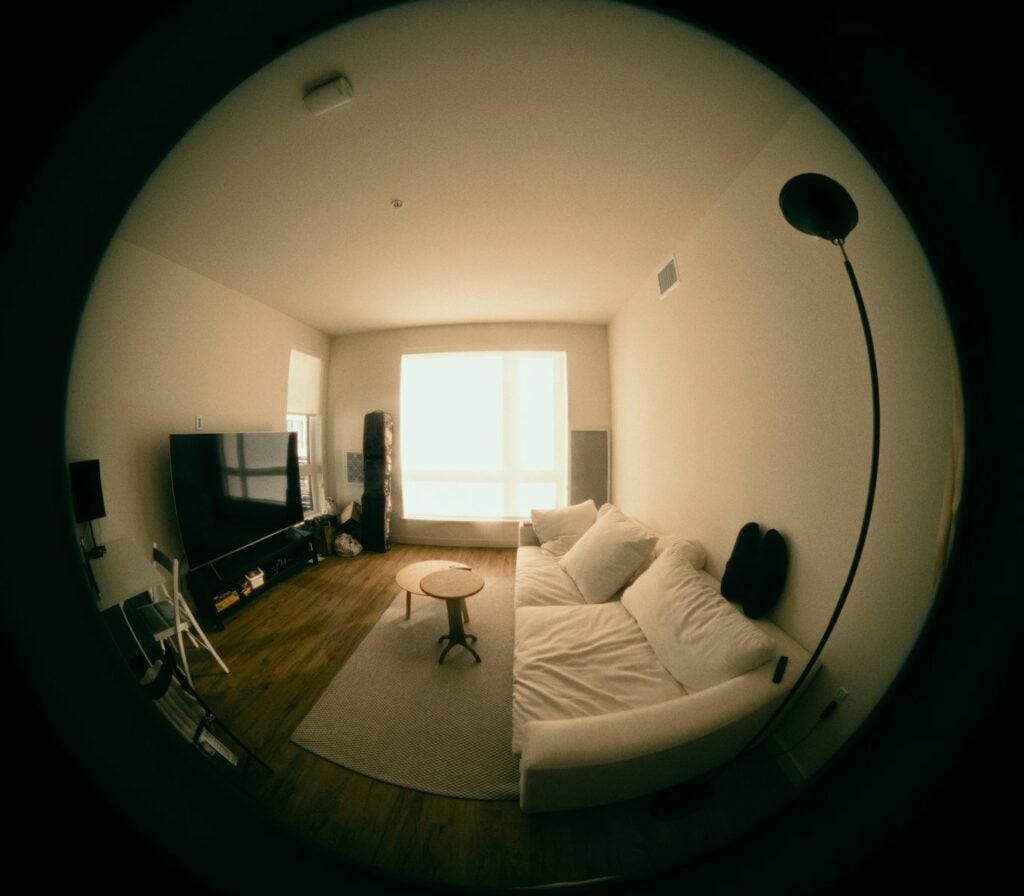
Another surprisingly powerful tool is simply taking a photo of a room. Photographs create distance. They allow us to see a space the way someone else might see it. Sometimes clients look at a picture of their own room and immediately notice things that their eyes had been filtering out.
Some people even upload those photos into tools like ChatGPT to get a fresh perspective on what might be contributing to visual clutter. Seeing your own home through a different lens can be a powerful way to break clutter blindness.
Clutter Blindness Happens to Organizers Too
Even professional organizers experience clutter blindness. For me, it often shows up in the form of paperwork piles. Between planners, books, notebooks, journals, and bills, I sometimes have a lot of active projects happening at once. Instead of putting everything away between sessions, I’ll work around the stacks for a while. Eventually those piles start to blend into the background.
Right now, it’s March and I’m still looking at a few reindeer decorations from Christmas that never quite got packed away. I’ve convinced myself they’re neutral winter décor… at least until spring officially arrives.
Clutter blindness doesn’t mean we don’t care about our spaces. It simply means our brains are doing what brains naturally do: filtering out familiar information.
When Storage Design Solves the Problem
Many clutter hot spots exist because everyday items don’t have an easy home. Frequently used items are often the ones most likely to sit on surfaces. We reach for them often, so they never quite make it back into a drawer or cabinet. But when there’s a simple landing zone nearby, people use it.
A small drawer near the entry table can hold keys and wallets. A designated drawer near a desk can collect current project papers. Even something as simple as an empty drawer in a closet can make a huge difference.
In my own closet, I keep a drawer specifically for clothes that have been worn but aren’t ready for the laundry yet — things like workout clothes, pajamas, or a sweatshirt I’ll wear again later in the week. Without that drawer, those items would likely end up draped over chairs or piled on a surface. With it, they disappear quickly and the space stays visually calm.
The First Step Is Simply Seeing It
Clutter blindness can make it difficult to recognize how much visual noise exists in a home. But once you notice it, even small changes can have a big impact. Clearing a surface. Gathering like items together. Creating an easy landing zone nearby. Each step helps your home move from cluttered to calm. Sometimes the biggest transformation begins with something as simple as opening your eyes to the piles that have been there all along.
Related Articles
If decluttering feels harder than it should, several psychological patterns may be at work. You might also enjoy exploring Decision Fatigue, The Endowment Effect, The Sunk Cost Fallacy, and The Weight of Owning Too Much.


FAQ
What is clutter blindness?
Clutter blindness is the tendency to stop noticing clutter that we see every day. Our brains filter out familiar visual information, which can make piles and messy areas seem less noticeable over time.
Why do clutter hot spots form?
Hot spots usually form where items land frequently, such as entry tables, kitchen counters, and desks. They often appear when everyday items don’t have an obvious storage location nearby.
What’s the fastest way to break clutter blindness?
Clearing one surface completely or gathering all items in a category together can quickly make the amount of clutter visible again.
Can better storage reduce clutter blindness?
Yes. When frequently used items have an easy and accessible home, they are much more likely to be put away instead of accumulating on surfaces.