The Weight of Owning Too Much

Most people don’t realize how much they own until something forces them to see it all at once.
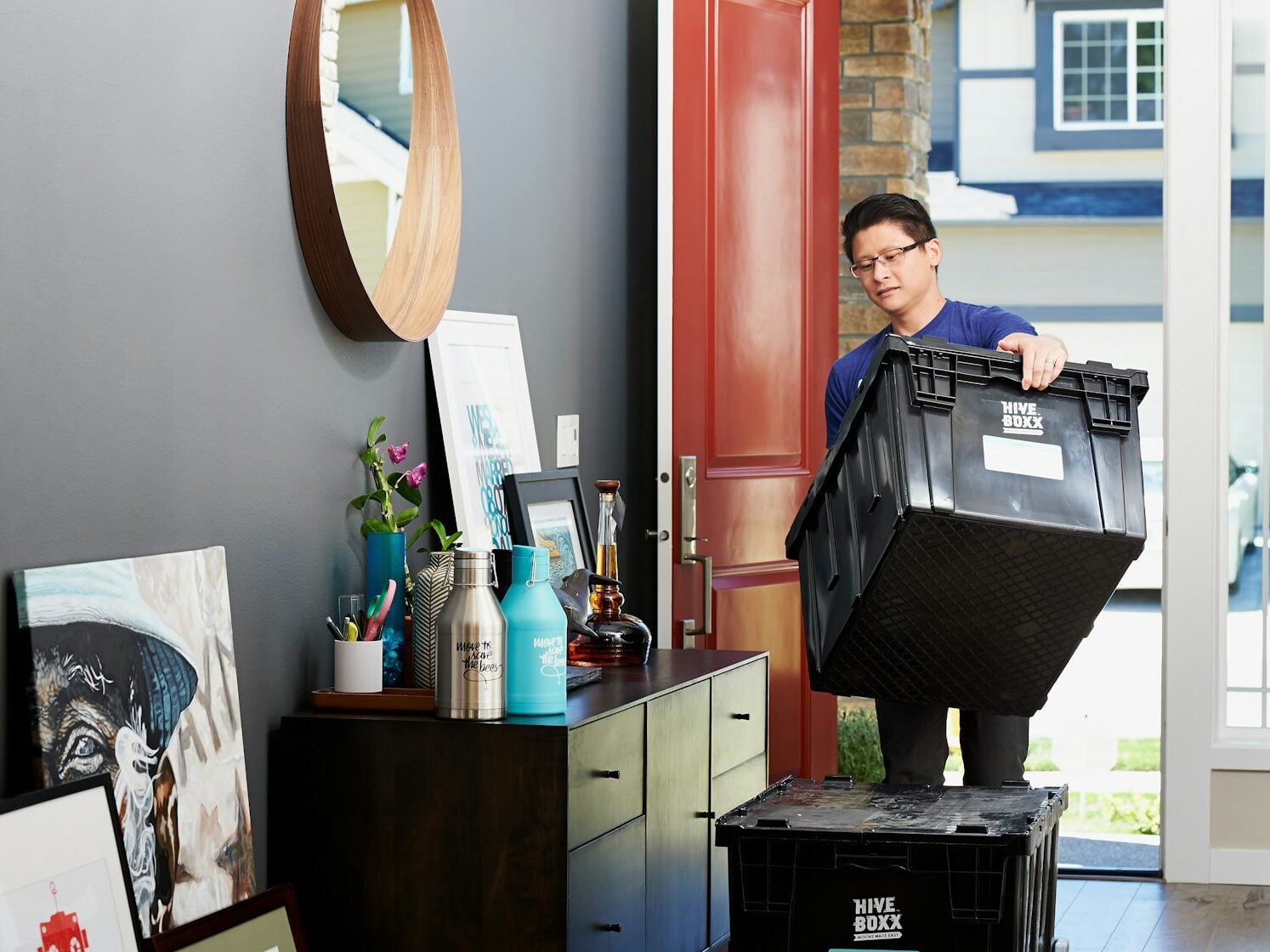
Moving is one of those moments. Renovations are another. When every drawer has to be emptied and every shelf cleared, the sheer volume of possessions becomes impossible to ignore. Boxes begin to stack up across the room, and suddenly the quiet realization appears… we have a lot more stuff than we thought.
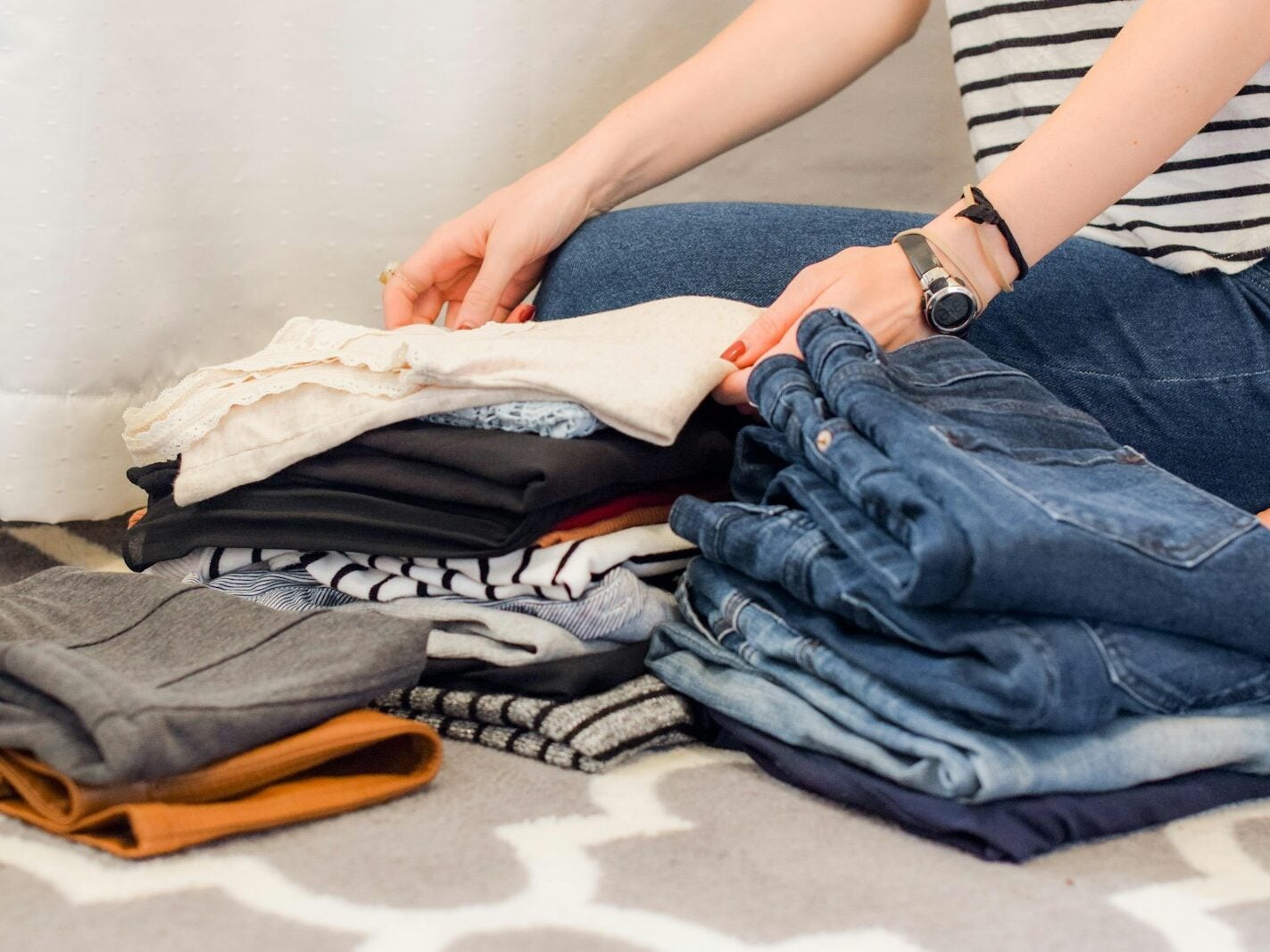
It’s not that each item feels excessive on its own. A sweater here, a kitchen gadget there, a few extra bins in the closet. But over time those individual decisions accumulate. What once felt like small, harmless purchases gradually becomes a home full of things that require space, maintenance, and attention.
Sometimes it takes that moment of seeing everything together to understand the weight of owning too much.
Why Moving Reveals What Matters
People often declutter aggressively before a move, and there is a good reason for that. Once you know something has to be packed, carried, and unpacked again, the decision becomes clearer. Suddenly the question isn’t “Do I technically still have a use for this?” but something closer to “Is this worth moving?”
That shift in perspective is powerful. It forces us to evaluate possessions in a more honest way. Professional organizers (like us here at Susquehanna Organizing) see this all the time. The act of packing reveals which items truly matter and which ones have simply been sitting quietly in the background of our homes.
The Replace Test
Another helpful way to look at our belongings is to imagine starting over. If everything in your home disappeared tomorrow, which things would you immediately replace? Most people can answer that question surprisingly quickly. The bed. The coffee maker. The everyday dishes. Favorite clothing. A handful of meaningful personal items.
But many of the things we currently own would never make that replacement list. Not because they are bad or broken, but because they simply aren’t essential to the life we are living now. That realization can be freeing. It reminds us that owning something in the past doesn’t automatically mean it deserves space in the present.
The Fire Thought Experiment
There is another version of this exercise that people sometimes find even more revealing. Imagine a house fire where everyone is safe, but everything inside the home is gone. After the shock fades, and you begin to rebuild, which possessions would you intentionally bring back into your life?
It’s an uncomfortable scenario to picture, but it highlights something important. When we imagine rebuilding from scratch, we tend to focus on the things that truly support our daily lives and bring us joy. Much of the rest fades away.
The Memory Test
There’s one more exercise that can offer surprising clarity. Without looking around your house, choose one storage area, take a few minutes and write down the items you remember owning that you would definitely keep and that truly belong there.
Most people find that their list is relatively short. The objects that matter most are the ones that come easily to mind… the things we use regularly, appreciate deeply, or rely on in our routines.Meanwhile, entire categories of possessions never make the list at all. They exist in our homes, but not in our awareness. That gap often reveals the difference between the things we truly value and the things we simply store.
Creating Homes That Feel Lighter
Decluttering isn’t about living with the absolute minimum or throwing away everything that isn’t essential. It’s about being intentional.
When our homes hold fewer things that compete for space and attention, the items that remain are easier to use, easier to maintain, and easier to enjoy. Rooms begin to feel calmer. Storage becomes simpler. Daily routines flow more smoothly.
Sometimes the biggest shift comes not from buying better storage solutions, but from reconsidering how much we actually need to store in the first place. If you’re feeling overwhelmed by the amount of stuff in your home, it may help to step back and ask a different question.
Not “Could I use this someday?”
But rather:
“Would I choose to bring this into my life again today?”
That simple shift in perspective can make the path forward much clearer.
If decluttering feels harder than it should, several psychological patterns may be at work. You might also enjoy exploring Clutter Blindness, The Endowment Effect, Decision Fatigue, and The Sunk Cost Fallacy.