Decluttering With Kids: Why the Wrong Question Causes a Meltdown
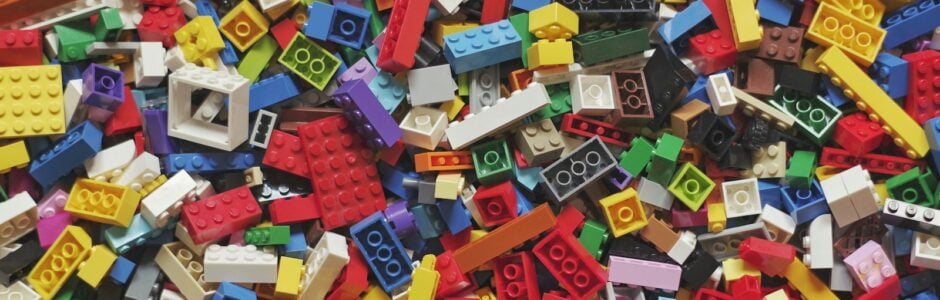
If you’ve ever tried to declutter with a child, you already know how the story goes. You walk into the playroom, or the family room, or the bedroom where the toys have quietly multiplied into a small civilization. You step on a Lego, trip over a doll stroller, and wonder how so many things can fit into one space. You decide it’s time.
You pick up a toy you’re fairly certain hasn’t been touched in months… maybe years. You hold it up and ask the question. “Do you want to get rid of this?” And suddenly — magically — that toy becomes your child’s most treasured possession.
They hug it, defend it, promise to play with it every day. The decluttering session is over before it even started.
The problem isn’t the toy. The problem is the question.
The Question That Causes Decluttering Battles
When we ask children (or ourselves), “Do you want to get rid of this?” we are putting them in a defensive position. The question is about loss. Even adults struggle with that question. Kids struggle with it even more. The moment they hear it, their instinct is to protect the item — whether they truly care about it or not.
But there’s a simple shift that changes the entire conversation. Instead of asking what should go… Ask what they want to keep.
Ask Kids to Choose Their Favorites
One of the easiest ways to declutter toys is to start with the fun part. Ask your child: “Which toys are your favorites?” Kids usually have no trouble answering that question.
They quickly point out the toys they truly love and play with often. They might even get excited about gathering them up and showing you.
Suddenly the focus isn’t about losing toys. It’s about identifying the ones that matter most. Once the favorites are set aside, it becomes much easier to see which toys are left — the ones that are broken, forgotten, or simply not interesting anymore.
Why Owning Fewer Toys Actually Helps Kids
It can feel uncomfortable to remove toys at first, but most children actually thrive with fewer choices. When kids are surrounded by too many toys, a few things happen:
- It becomes harder to find what they want to play with.
- Cleanup feels overwhelming.
- Creativity often decreases because everything is already provided.
With fewer toys, children tend to play more creatively and more deeply. Favorite toys get more attention instead of being buried under piles of things that rarely get used. And for parents, fewer toys usually means less clutter and easier cleanup. Everyone wins.
Give Toys an Obvious Home
Another thing that helps kids keep their spaces tidy is making sure every toy has a clear and convenient home. Think about a preschool classroom. At cleanup time, teachers sing the cleanup song and suddenly everyone knows exactly what to do. Blocks go in the block bin. Crayons go in the crayon container. Puzzles slide back into the puzzle shelf. The reason it works is simple: the homes are obvious.
When kids can easily see where something belongs, putting it away becomes almost automatic. At home, we can recreate that same simplicity by using:
- bins or baskets for toy categories
- low shelves kids can reach
- containers that are easy to open and close
When storage is simple and accessible, kids are much more likely to help clean up. The goal isn’t perfection — it’s making it easy enough that pitching in feels natural. Just like adults, if an area is far off baseline and items don’t have clear homes, it is overwhelming to know where to start. Often, the real challenge isn’t teaching kids to clean up. It’s coming alongside them to get back to “under control” and then making sure the system actually works for them. Have patience with each other as you set things right.
Helping Kids Let Go of Toys
When toys are ready to move on, it can help to give them a purpose. Many families find it easier to donate toys when children know they are going to:
- younger cousins
- neighborhood families
- children who don’t have many toys
This changes the story from throwing things away to passing them along. Kids often feel proud knowing their toys will be enjoyed by someone else.
A Simple Way to Start
If toy decluttering feels overwhelming, start small.
Ask your child to gather:
- their five favorite toys
- their favorite stuffed animal
- their favorite game or creative activity
Once those favorites are clear, everything else becomes easier to evaluate. Decluttering doesn’t have to be dramatic or emotional. Sometimes it’s simply about recognizing the things that matter most and giving them the space they deserve.
The Real Goal of Decluttering
Decluttering isn’t about having the least amount of stuff possible.
It’s about creating a home where the things you love are easy to see, easy to use, and easy to enjoy.
When toys have room to breathe, kids can actually find them, play with them, and appreciate them. And when parents aren’t constantly stepping on Legos… Well, that’s a pretty nice bonus too.
Need Help Creating Systems That Work?
Decluttering is often the first step, but storage systems are what help a home stay organized over time.
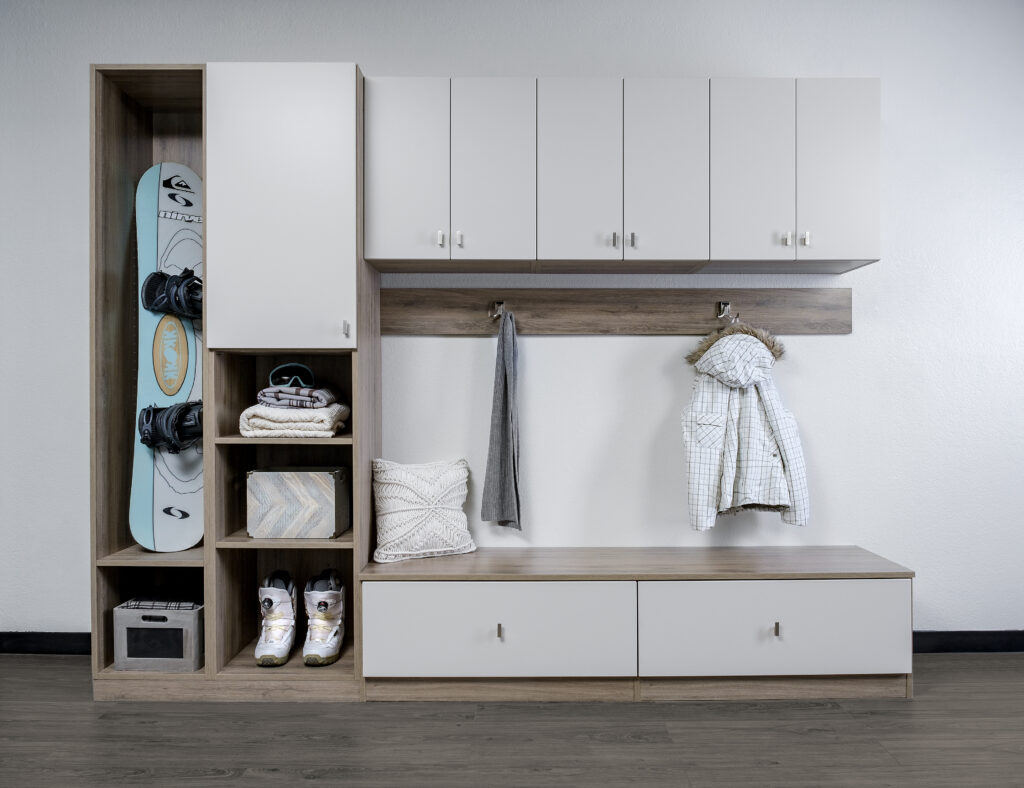
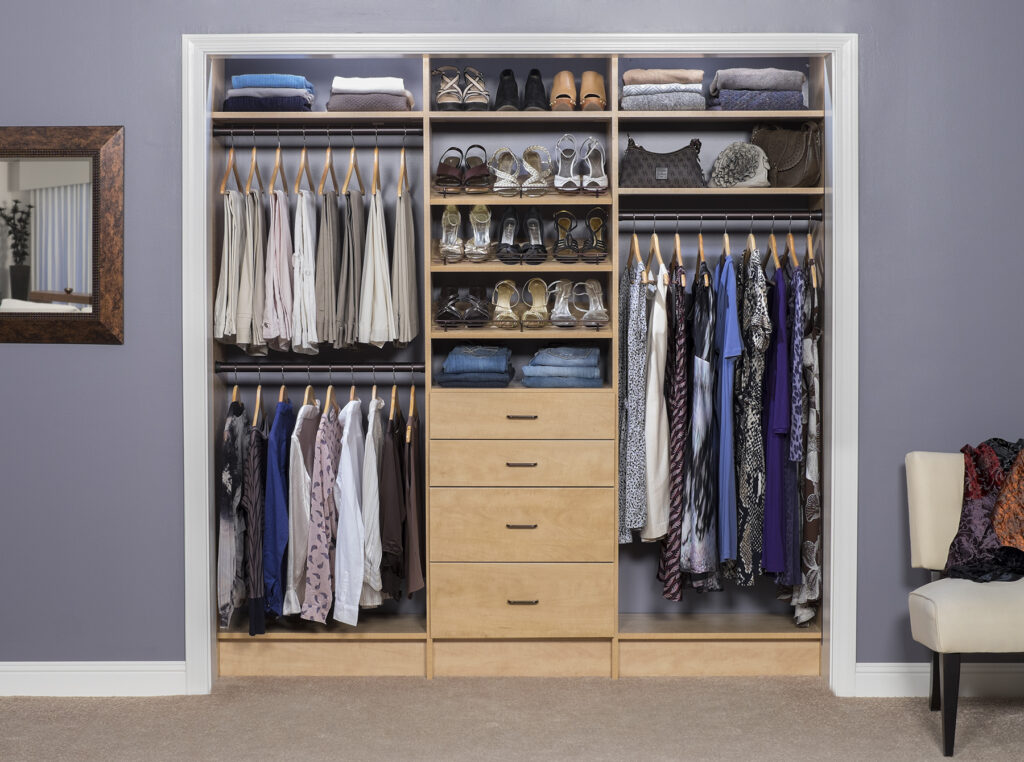
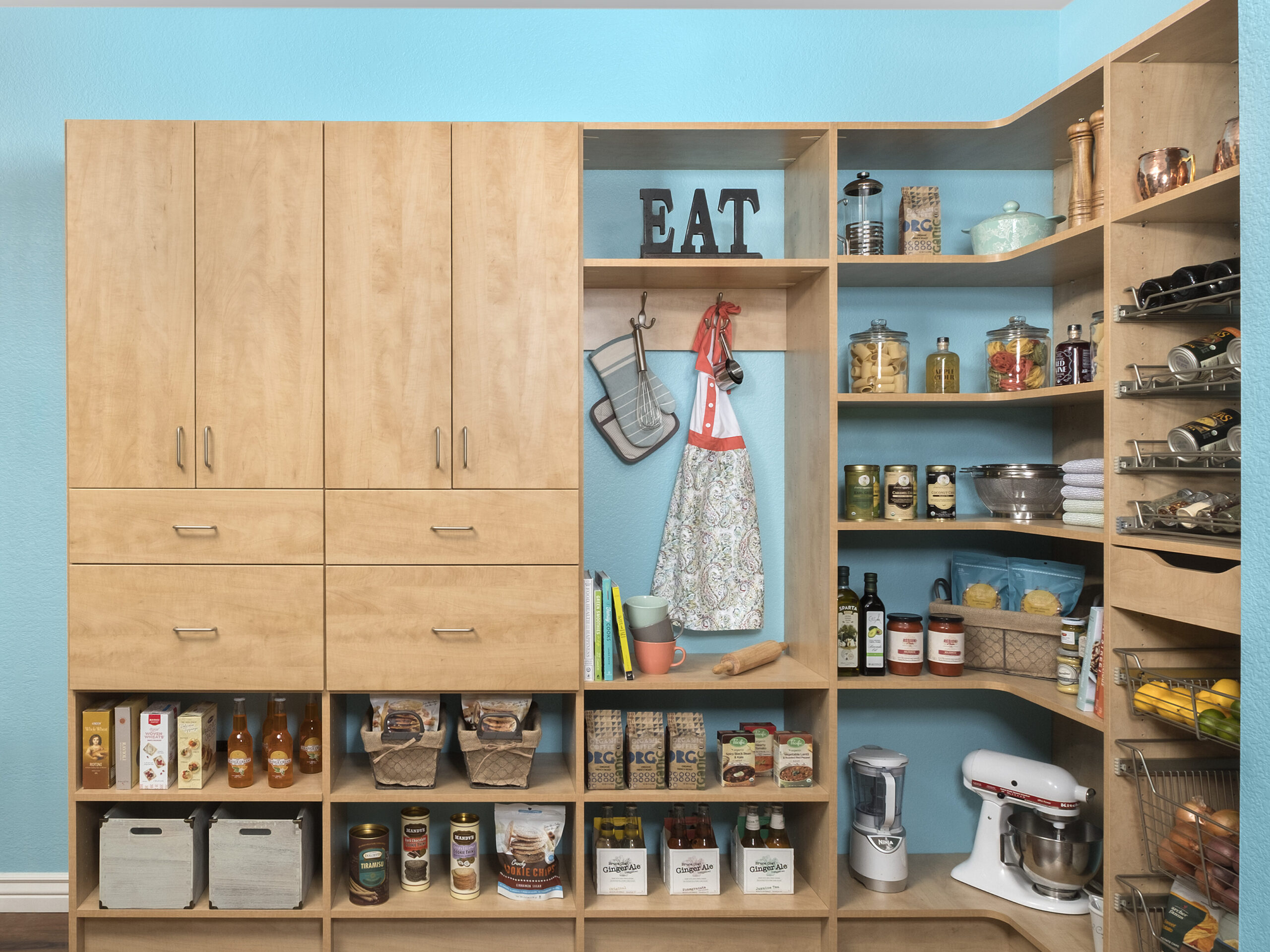
If you’re looking for better ways to store toys, games, or family supplies, custom storage solutions can make a big difference. Learn more about custom storage design here:
https://susquehannadesign.com
If you’re feeling overwhelmed by clutter and want hands-on help getting started, Susquehanna Organizing offers professional organizing services as well. Learn more here:
https://susquehannaorganizing.com
Related Articles
FAQ
Why do kids suddenly want toys when you try to declutter them?
When children feel like something might be taken away, their instinct is to protect it. Asking them to choose favorites instead of choosing what to remove usually works much better.
How many toys should a child have?
There isn’t a perfect number, but many families find that fewer toys lead to more creative and focused play.
What should I do with toys my kids no longer use?
Many toys can be donated to local charities, schools, or families with younger children. Passing toys along often makes the process easier for kids.