Home Office Storage Ideas: Designing a Workspace That Actually Works
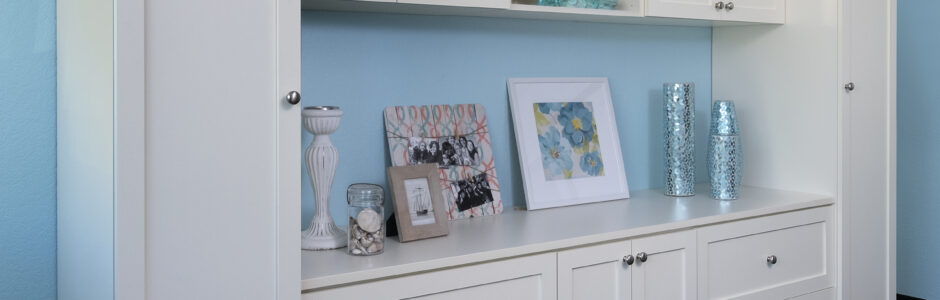
When a Home Office Is Designed Well, Everything Feels Easier
Working from home has become a permanent part of life for many households. But a lot of home offices were created quickly… a spare desk in the corner, a laptop on the dining table, or a temporary setup that somehow became permanent. The problem is that a workspace without proper storage rarely stays organized for long. Papers pile up. Chargers wander. Printers land wherever there is space. Office supplies migrate throughout the house.
A well-designed home office solves these problems before they begin. When everything has a designated place, your workspace stays cleaner, your focus improves, and it becomes easier to step away from work at the end of the day.
Thoughtful storage design can turn a cluttered corner into a workspace that supports productivity, professionalism, and peace of mind.
The First Questions to Ask When Designing a Home Office
Every home office is different, so the design process usually starts with a few practical questions:
- Do you take Zoom calls regularly?
- Do you use a printer, and where should it live?
- How much paper storage do you need?
- Do you want open shelving for styling or mostly hidden storage?
- What needs to charge in this space?
- What supplies do you need to access daily?
These questions shape the entire layout of the office. The goal is not simply to create a desk… it is to design a space that supports how you actually work.
Why Wall Desks Often Work Best
One of the most effective home office layouts is a wall desk with storage surrounding it. This approach gives the office a built-in look while maximizing the available wall space. Cabinets, drawers, and shelves can extend upward, creating significantly more storage than a freestanding desk alone. That touch of crown molding at the top elevates the whole room and completes the built-in feel.
While L-shaped desks are sometimes used, they often waste storage in the corner and reduce the amount of usable cabinetry. A straight wall layout typically provides better organization and cleaner design.
In some homes, clients prefer a freestanding desk paired with a storage wall or credenza behind or beside it. This can provide flexibility while still keeping office supplies organized in one dedicated location.
Storage That Keeps an Office Organized
The biggest mistake in home office design is not including enough storage. Many people assume they just need a desk, but the real challenge is managing everything that supports the work being done there.
Effective office storage often includes:
Built-In File Drawers
Despite the rise of digital documents, many households still need space for paper files. Built-in file drawers that blend seamlessly with cabinetry provide convenient storage while maintaining a clean look. Most clients request letter-size hanging files, which work well for everyday household paperwork, office documents, and active projects.
Shelves for Paper and Projects
Shelving works well for:
- printer paper
- envelopes
- active projects
- notebooks
- reference materials
Keeping these items visible but organized prevents piles from forming across the desk.
Drawers for Office Supplies
Smaller office supplies are best stored in drawers where they remain accessible but hidden.
Drawers are ideal for storing:
- pens and pencils
- staplers and tape
- chargers and cords
- sticky notes
- small electronics
This keeps the desktop clear and visually calm.
Where to Put the Printer
Printers often become the most awkward item in a home office. When space allows, placing the printer inside a cabinet or on a dedicated shelf helps reduce visual clutter. Many office designs include a cabinet with an electrical outlet or power strip inside so printers and charging devices can stay plugged in but hidden. Planning cabinet placement around existing outlets can make this feature easy to incorporate.
Planning for Charging and Technology
Modern offices require thoughtful cable management.
Common solutions include:
- desktop grommets for cords
- outlet strips inside cabinets
- charging drawers for phones and tablets
- hidden power within tall cabinets
These small details make a big difference in keeping a workspace tidy.
Designing a Zoom-Friendly Background
Video calls have become a normal part of working from home, which means the background of your office now matters. Many homeowners incorporate open shelves or glass cabinets behind the desk to create a visually interesting backdrop.
Styled office shelves often include:
- books
- awards or certificates
- plants
- framed photos
- decorative storage boxes
This adds personality while keeping the space professional.
In other layouts, the desk faces into the room and a storage wall sits behind the camera, creating a clean and organized view during calls.
The Real Goal of a Well-Designed Office
A good home office does more than look nice. It creates a space where work can happen efficiently and then be left behind when the day is finished. When every supply has a home and clutter stays contained, the office becomes a place where you can focus, stay productive, and maintain better boundaries between work and the rest of life. Thoughtful storage design makes that possible.
When Custom Storage Makes Sense
If your office constantly feels cluttered or difficult to manage, the problem is often the storage itself.
Custom cabinetry allows you to design around how you actually use the space… incorporating drawers, shelving, filing systems, and hidden storage that keep everything organized.
Learn more about custom storage solutions and home office design here:
https://susquehannadesign.com
Need Help Getting Organized?
If your office has become a catch-all space or paperwork feels overwhelming, hands-on organizing can help reset the system. Susquehanna Organizing works with homeowners to declutter paperwork, create functional systems, and maintain organized workspaces.
Learn more about organizing services here:
https://susquehannaorganizing.com
FAQ Section
What storage should a home office include?
A functional home office usually includes drawers for supplies, shelving for paper and projects, and built-in file drawers for important documents.
Should a printer be hidden in a cabinet?
Many home offices place printers inside cabinets or on dedicated shelves to reduce visual clutter. Including power inside the cabinet allows devices to remain plugged in while hidden.
How deep should a home office desk be?
Desk depth varies widely depending on the room and the equipment used. Some desks are as shallow as 14 inches for laptop work, while others extend to 30 inches for larger setups.
What is the biggest mistake in home office design?
The most common mistake is not including enough storage. Without drawers, cabinets, and shelving, office supplies and paperwork quickly create clutter.