Smart Storage and Decluttering: Creating a Home That Actually Works
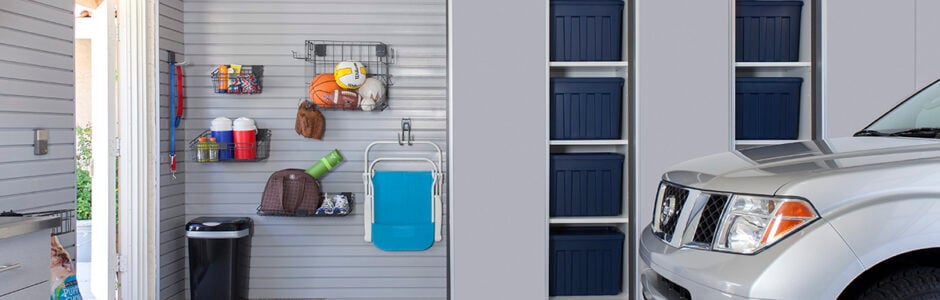
A clean, organized space does more than look good. It creates a sense of calm and helps your home function better. While removing excess items is an important first step, maintaining an orderly home requires thoughtful systems that support the way you actually live.
Good organization isn’t just about decluttering. It’s about creating places for the items you use every day so your home can work for you instead of against you. When closets, entryways, and garages are designed thoughtfully, daily routines become easier and clutter has fewer opportunities to build up.
In many homes, clutter tends to collect in predictable places. Entryways become drop zones for coats and bags, closets overflow with clothing, and garages slowly fill with tools, sports gear, and seasonal equipment. With the right combination of decluttering and smart storage solutions, these areas can become some of the most functional spaces in the home.
Start with Decluttering
Before any storage system can work well, it helps to take a moment to reset the space. One of the most effective ways to declutter is by working through categories of items rather than trying to tackle entire rooms at once. This approach keeps the process manageable and helps you see how much you actually own within each category.
A simple starting point might include:
- Start with obvious trash and recyclables.
- Group similar items together so you can see how much you really have.
- Separate items into clear decisions: keep, donate, or discard.
- Ask whether each item still supports the life you’re living today.
Decluttering doesn’t mean getting rid of everything. It simply means making intentional choices about what deserves space in your home and what no longer needs to take up valuable room.
The Surprising Decluttering Moment During Closet Installation
One of the interesting things we often see during closet installations is what happens when everything comes out of the closet at once. Clients typically pull every piece of clothing, every pair of shoes, and every accessory out before the new system goes in, letting go of the obvious items that they haven’t used in years, or that no longer fit. Then, as they begin putting things back, they naturally start REediting: letting go of items that have seen better days, that they rarely are drawn to (even if they “look” great), or that they just aren’t excited to see in their new closet!
Items that no longer fit their lifestyle become easier to let go of, and favorites quickly rise to the top. Without forcing a major purge, the closet becomes more intentional simply because the space is being reset. Sometimes the act of rebuilding a space makes the decluttering process happen almost automatically.
Understanding “High-Rent Districts” in Your Home
Not all areas of your home are created equal. Some spaces are prime real estate because they are used constantly, and these are what I like to call the high-rent districts of the home.
Examples might include:
• The entryway where coats, bags, and shoes land every day
• Closets that hold your daily wardrobe
• The garage where tools, bikes, and equipment need easy access
These spaces should be reserved for the items you use most frequently. When high-rent areas become crowded with rarely used items, everyday routines become harder than they need to be. Designing smart storage in these areas helps the entire home function more smoothly.
Using Smart Storage to Support Daily Life
Decluttering creates breathing room, but storage systems help maintain that clarity over time. Well-designed storage allows you to maximize vertical space, keep everyday items easy to reach, create clear homes for categories of belongings, and maintain visual calm in busy areas of the home.
Closet systems, mudroom lockers, and garage cabinets all serve the same purpose: helping your belongings stay organized without constant effort. For example, a thoughtfully designed mudroom storage system can prevent coats, backpacks, and shoes from spreading throughout the house and instead keep them organized near the entry where they belong.
You can learn more about that in our article on mudroom storage ideas:
https://susquehannadesign.com/mudroom-storage
Homes Evolve — Your Storage Should Too
Another important reality of organization is that homes evolve over time. Families grow, kids develop new hobbies, careers change, and activities shift from season to season. Because of this, organization isn’t a one-time project, and even the best systems occasionally need to be adjusted to match your current lifestyle.
A closet that once held business attire might later adapt for remote work. A garage that once stored strollers may transition to sports equipment or hobby gear. Taking time occasionally to reassess how your spaces are being used allows your home to continue supporting your life instead of slowly becoming cluttered again.
Creating a Home That Feels Calm and Functional
Living with less clutter doesn’t mean parting with everything you love. It simply means giving your belongings a thoughtful place within your home so they support your routines rather than overwhelm them.
When storage is designed well, your spaces begin to feel calmer and easier to maintain. Instead of constantly managing clutter, you’re able to enjoy a home that works with your life and still looks beautiful in the process.