Pantry Organization Ideas That Actually Work for Real Kitchens
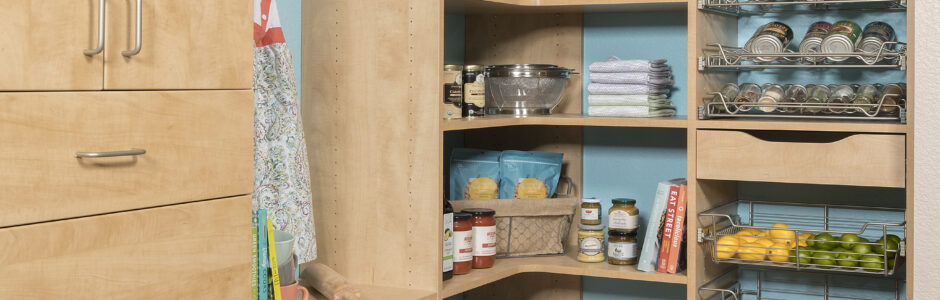
A pantry is one of the hardest working spaces in a home.
Groceries come in weekly. Multiple people access it every day. Items constantly move in and out. And unlike many other storage areas, a pantry holds a huge variety of shapes, sizes, and packaging. It’s no surprise that pantries often become difficult to maintain.
The good news is that most pantry frustration is not caused by a lack of effort. It’s usually caused by storage that wasn’t designed around how the space is actually used. With a few thoughtful design choices, a pantry can become one of the most functional and satisfying storage areas in the home.
Adjustable Shelving Makes a Huge Difference
One of the biggest improvements in pantry design is adjustability. Food packaging varies widely. A small cereal box for one person looks very different from the oversized bulk version you might buy at a warehouse store. The same is true for pasta containers, snack boxes, and pantry staples.
When shelving is adjustable, it becomes easy to adapt the pantry to what your household actually buys and uses. Instead of trying to make items fit awkwardly into fixed spaces, the shelves can shift to accommodate changing needs.
This flexibility becomes even more important for families who shop at large retailers like Costco or Sam’s Club, where packaging tends to be larger and bulkier.
Shelf Depth Matters More Than You Think
One common pantry mistake is installing shelves that are too deep. Deep shelving often turns into a “black hole,” where items get pushed to the back and forgotten. Food expires, duplicates get purchased, and the pantry begins to feel chaotic.
A better approach is moderate shelf depth that keeps everything visible and reachable. Instead of stacking items multiple layers deep, it’s often easier to store boxes sideways like books so that each item is visible at a glance. When everything can be seen, it becomes much easier to maintain an organized pantry.
Pullouts Are Perfect for Deeper Storage Areas
In some cases, a pantry does benefit from deeper sections. Appliance bays, butler’s pantries, or larger walk-in spaces may require additional depth.
When that happens, pullout shelves or drawers can be incredibly helpful. Instead of reaching into the back of a deep cabinet, the entire shelf slides forward so that every item becomes accessible.
Pullouts also work well for things like:
- kids’ snack sections
- baking supplies
- frequently used pantry staples
Many families enjoy having a dedicated snack pullout where kids can easily access approved snacks without digging through the entire pantry.
Not Everything Needs to Start at the Floor
Another useful pantry design strategy is leaving open floor space.
Instead of starting shelving directly at the floor, the first shelf can begin 18–24 inches up. This creates a convenient parking spot for bulky items such as:
- dog food containers
- cases of bottled water
- large bags of rice or flour
- drink storage
These heavier items are easier to access when they stay on the floor instead of being lifted onto shelves.
Don’t Ignore the Upper Storage Area
If a pantry has high ceilings, it can be tempting to extend shelving all the way to the top.
But extremely tall shelving often requires a stool and becomes difficult to use. Many well-designed pantry systems stop around 84 inches high, even in rooms with taller ceilings.
This keeps everyday items within reach while still allowing upper shelves to store lighter bulk items such as:
- paper towels
- napkins
- party supplies
- paper plates or cups
These items are lightweight and accessed less frequently, which makes them ideal for higher storage.
Some Pantry Items Need Shallower Storage
While many pantry shelves are standard depth, certain items benefit from shallower sections. Spices are a good example. Larger spice containers from warehouse stores are often tall but not very deep. A shallow shelf or spice rack can keep them visible and easy to grab without wasting space.
The same principle applies to smaller pantry items where visibility matters more than storage depth.
Pantries Can Store More Than Food
Many households use the pantry for more than groceries. Items like tablecloths, serving pieces, and aprons often end up stored nearby. In these situations, a drawer or small hanging section can make a big difference. Hanging tablecloths, for example, prevents wrinkles and keeps them easy to find when needed.
When the pantry is designed thoughtfully, it can become a true household storage hub.
Butler’s Pantries Offer Even More Flexibility
Larger homes sometimes include a butler’s pantry, which can function almost like a secondary kitchen workspace. These spaces often include:
- countertop workspace
- upper cabinets
- electrical outlets for appliances
- additional storage for serving pieces
A butler’s pantry can be a beautiful and practical extension of the kitchen when designed with both storage and workflow in mind.
A Pantry That Works With Your Life
Pantries experience constant activity, which means they can be harder to maintain than other areas of the home. Groceries arrive regularly, family members grab items throughout the day, and packaging sizes are always changing. Because of that, the best pantry systems are not just about looking organized. They are about supporting the way a household actually functions.
Thoughtful pantry organization ideas—including adjustable shelving, pullouts, smart shelf depth, and designated zones—can make the space easier to use and easier to maintain over time. A well-designed pantry saves time, reduces frustration, and helps the entire kitchen run more smoothly.
A good pantry works best when it reflects how the household actually moves through the space. The same principle applies throughout the home, whether creating a well-designed mudroom storage system or upgrading closet design features to make daily routines smoother or smart garage storage in one of the hardest-working areas of the house. Homes function best when storage is designed intentionally!
Frequently Asked Questions
What is the best depth for pantry shelves?
Most pantry shelves work best when they are not too deep. Shelves that are approximately 12–16 inches deep allow most pantry items to stay visible and accessible. When shelves are deeper than that, items often get pushed to the back and forgotten.
Why are adjustable pantry shelves important?
Adjustable shelves allow the pantry to adapt to different food packaging sizes. Since grocery packaging varies widely, especially when buying in bulk, adjustable shelving makes it easier to store items efficiently.
Are pullout shelves worth it in a pantry?
Pullout shelves can be extremely helpful in deeper pantry sections. They allow items stored in the back to slide forward, making everything visible and easy to access.
What items should be stored on the floor of a pantry?
Heavier or bulky items often work best on the floor of a pantry. This includes dog food containers, cases of bottled water, and large bulk food items that would be awkward to lift onto shelves.